
English
Cat Scratcher Sourcing & OEM Buying Guides
B2B sourcing guides for corrugated cat scratchers, board density, cornstarch glue, custom die-cutting, ISTA drop testing and OEM factory QC.
Selection and sourcing toolsWholesale & Private Label Corrugated Cat Scratcher Sourcing Guide: Factory Vetting, MOQ Tiers & FOB/DDP Procurement
A practical B2B sourcing playbook for pet brands, importers, and distributors comparing corrugated cat scratcher manufacturers—covering factory vetting, MOQ tiers (100–3,000 pcs), cost drivers, signed-sample workflows, and FOB/DDP quoting.
Read moreCorrugated Cat Scratcher OEM/ODM Custom Prototyping & Die-Cutting Guide: CAD Tooling, Felt-Hybrid Structures & Production Tolerances
An engineering handbook for pet brands and B2B buyers covering CAD dielines, CNC digital sampling vs laser steel-rule dies, flat-pack felt-corrugated condos, and production tolerances.
Read moreCorrugated Cat Scratcher Factory Inspection & QA Guide: AQL Standards, Peel Strength, and Moisture Thresholds
A comprehensive quality assurance guide for B2B procurement, covering AQL sampling plans, adhesive fiber-tear tests, moisture control, and dimensional tolerances.
Read moreCat Scratcher Packaging Design & Drop Test Guide: E-Commerce Parcel Protection & Freight Stack Standards
An engineering manual on ISTA drop testing, Box Compression Test (BCT) calculations, and Amazon SIOC packaging to prevent parcel damage and freight collapse.
Read moreCat scratcher non-toxic adhesive and odor safety guide: cornstarch glue vs chemical resin
An engineering guide to adhesive chemistry, VOC emission thresholds, and feline paw grooming safety for private-label scratcher sourcing.
Read moreCorrugated cat scratcher durability and shedding guide
An engineering comparison of corrugated flute profiles, paper density and adhesive safety for commercial sourcing.
Read moreAngled Ramp vs. Oval Bowl vs. Sofa Cat Scratchers: Matching Posture to Furniture Protection
How to match cat scratching postures—inclined vertical stretching, curled bowl sleeping, and couch lounging—to the right corrugated model (KP-08, KP-11, KP-10, KP-07).
Read moreFlat-Pack Foldable Cardboard Cat Houses & Refill Systems: 40HQ Container & Freight Optimization
Compare knocked-down flat-pack cat houses (KP-14), heavy-duty laminated cubes (KP-09), and refillable tray systems (KP-16 + KP-17) for ocean freight efficiency.
Read moreLow-Dust High-Density BC-Flute & Cornstarch Glue Cat Scratchers: B2B OEM Material Guide
How flute profile, virgin kraft linerboard, and plant-based cornstarch adhesive determine scratcher longevity, low dust shedding, and indoor safety.
Read moreExtra-Large Heavy-Duty Cat Scratchers for Maine Coons & Large Breeds: Sizing & Mass Guide
How to specify length (70–71 cm), unit mass (2,400–2,959 g), and high-density corrugated board for Maine Coons, Ragdolls, and multi-cat households.
Read moreCorrugated Cat Scratcher Specification, OEM & Export Logistics Glossary: Essential B2B Terms for Clearer RFQs
A practical B2B procurement glossary for pet brands and importers sourcing corrugated cat scratchers—defining B/C/BC flute grades, paper GSM, cornstarch adhesive and peel strength, CAD dielines, golden samples, reference MOQ, CBM, 20GP/40HQ load planning, ISO 2859-1 AQL, and FOB vs. DDP.
Read morePreparing a Target-Market Compliance Dossier for Pet Scratcher & Furniture Imports (EU, UK, US, Japan & Australia)
How pet-product importers build a SKU-level compliance dossier before placing bulk orders—covering material and adhesive chemical safety verification per destination, FSC and recycled packaging labeling rules, catnip sachet biosecurity controls, and HS code/DDP readiness.
Read moreCorrugated Cat Scratcher Supplier Evidence & Factory Audit Checklist: How to Verify Direct Production Before Deposit
A B2B supplier audit checklist for pet brands and importers sourcing corrugated cat scratchers—separating verifiable factory records from marketing claims across hot-press lamination, CAD die-cutting, signed golden samples, moisture control (9%–12%), and pre-shipment QC.
Read morePrivate Label Cat Scratcher Packaging, Artwork & Pre-Press Approval Checklist for OEM Buyers
A practical B2B pre-press and export-packing checklist for pet brands launching private-label corrugated cat scratchers—covering kraft sleeves vs. litho color boxes vs. mail-order cartons, vector AI/PDF dielines, Pantone matching, EAN/UPC/FNSKU barcodes, master carton marks, and ISO 2859-1 golden sample sign-off.
Read moreCardboard Cat House Assembly, Flat-Pack Design & E-Commerce Packing Review for B2B Importers
An engineering and logistics review comparing flat-pack cardboard houses (KP-14, KP-15), flat-folding felt hybrids (KP-30, KP-21), and solid laminated cubes (KP-09) across assembly durability, master carton ECT protection, 40HQ fill, and FBA dimensional weight.
Read moreBuilding a Corrugated Cat Scratcher Retail Assortment: Good-Better-Best Tiering Across Pads, Bowls, Ramps, Sofas & Houses
A merchandising and procurement guide for pet chains, importers, and private-label brands structuring a balanced Good-Better-Best corrugated scratcher lineup across entry refills, concave bowls, flat-pack houses, and heavy-duty laminated furniture.
Read moreReference MOQ by Model & First Mixed-Order Container Planning for Cat Scratchers
How wholesale buyers, pet brands, and distributors plan mixed-SKU trial containers across Koorpet's three MOQ tiers (100, 1,000, and 3,000 pcs), structure line-by-line RFQ briefs, schedule ~30-day bulk runs after golden sample sign-off, and select FOB or DDP terms.
Read moreCorrugated Board Specification & Sample Record Checklist for Cat Scratcher Buyers
A technical B2B inspection and specification checklist for corrugated cat scratchers: virgin wood pulp kraft liners vs. recycled mediums, BC/AB vertical flute grain, cornstarch hot-press bonding, 9%–12% ISO 287 moisture targets, and ±3% weight / ±1.5 mm golden-sample tolerances.
Read moreRefillable Cat Scratcher Holder & Insert Retail Replenishment Planning: KP-16, KP-17 & KP-19 Playbook
How pet brands, retail buyers, and e-commerce importers plan starter-kit vs. refill attach rates, ±1.5 mm die-cut fit tolerances, shelf bundling, and mixed-line RFQs across KP-16 holders, KP-17 single inserts, and KP-19 3-pack refills.
Read moreChecking carton volume before container planning
How to calculate master-carton CBM volume before 20GP/40HQ container loading for cat scratchers: formula, 80%–85% usable capacity assumptions and flat-pack mixed-SKU optimization.
Read moreBuilding an incoming inspection sheet for scratchers
Build an actionable incoming & pre-shipment QC inspection sheet for corrugated cat scratchers: verify ±1.5 mm dimensions, ±3% golden-sample weight, 9%–12% moisture and ISO 2859-1 AQL limits.
Read morePreparing a private-label scratcher brief
How to prepare a private-label OEM corrugated cat scratcher RFQ brief: align reference structures, AI/PDF vector dielines, golden sample sign-off gates and comparable FOB/DDP quotation tiers.
Read moreComparing scratcher material samples for sourcing
B2B buyer checklist for comparing corrugated cat scratcher samples: verify outer dimensions, net weight, flute density, moisture content and cornstarch glue peel strength against supplier claims.
Read more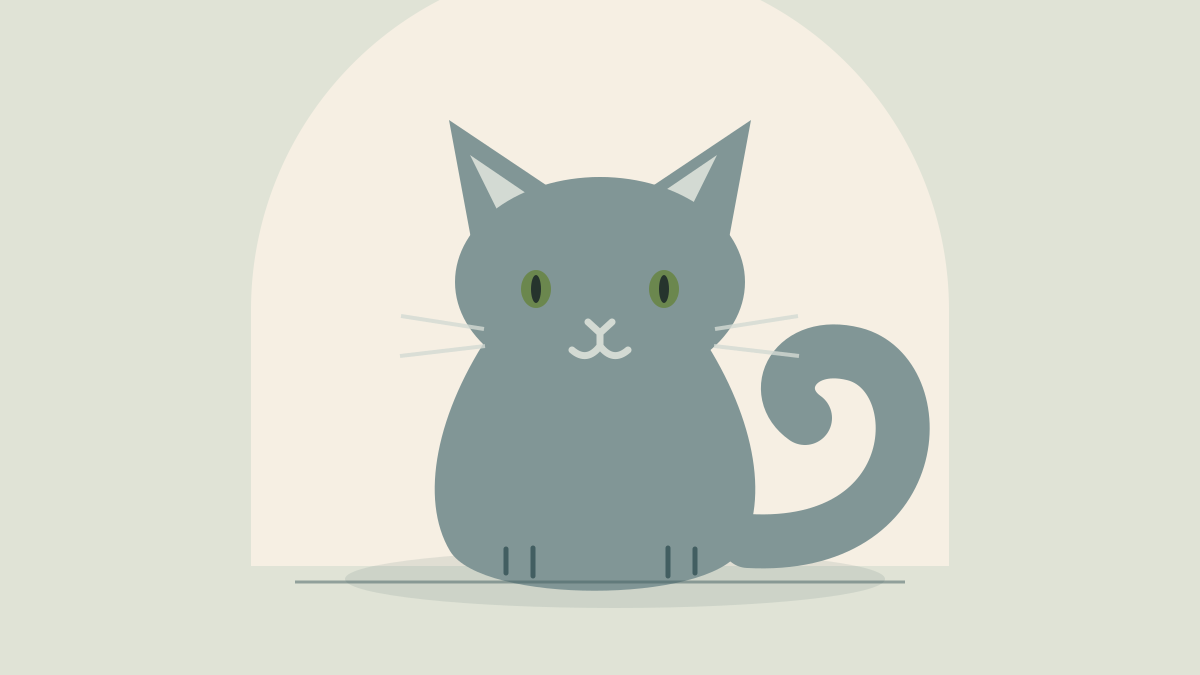
Korat: breed traits, care and equipment
Korats combine silver-blue coats, heart-shaped faces and muscular bodies, with Thai good-luck associations. A cultural meaning is not a health or personality guarantee.
Read more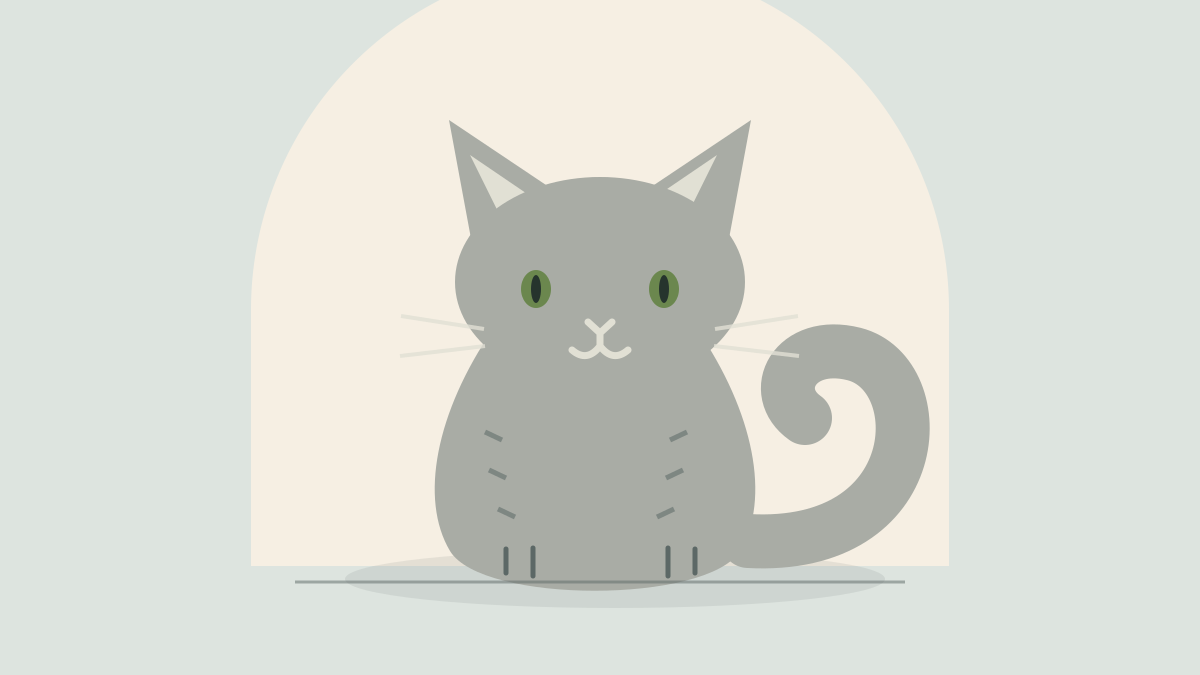
Burmilla: breed traits, care and equipment
Burmilla development began with an accidental Chinchilla Persian and Burmese mating. Silver coats, shading and outlined features are characteristic, in both coat lengths.
Read more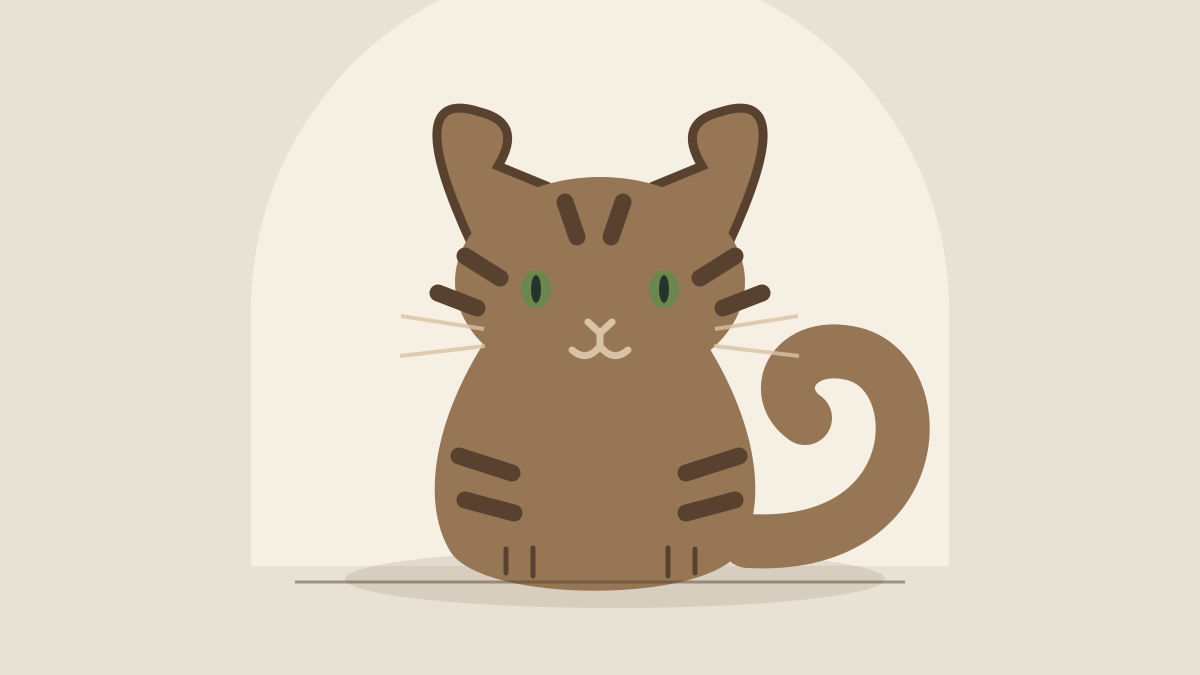
American Curl: breed traits, care and equipment
American Curls have ear tips curving backwards and occur in both coat lengths. Curling and folding are different traits, and appearance does not guarantee individual health.
Read more
Toyger: breed traits, care and equipment
Toygers are domestic cats selected for tiger-like stripes, not miniature tigers. Training and outings still depend on individual willingness, safe conditions and experience.
Read more
Manx: breed traits, care and equipment
Manx cats are known for absent or shortened tails and rounded hindquarters, including longhaired forms. Taillessness does not establish good health; ask about individual movement and elimination records.
Read more
LaPerm: breed traits, care and equipment
LaPerms have curly or wavy coats in both lengths, with varying curl and texture. A curly coat cannot serve as an allergy-safety promise.
Read more
Snowshoe: breed traits, care and equipment
Snowshoes combine points with white feet and facial areas, commonly with blue eyes. White markings vary, and not every pointed, white-footed domestic cat is a Snowshoe.
Read more
Oriental Shorthair: breed traits, care and equipment
Oriental Shorthairs have slender bodies, large ears and many colours, with links to the Siamese group. Modern development should not simply be labelled Thai origin or advertised through a fixed colour count.
Read more
Ocicat: breed traits, care and equipment
Ocicats have wild-looking spots but were developed from domestic breeds. Neither appearance nor a “zero wildness” slogan replaces understanding individual behaviour.
Read more
Selkirk Rex: breed traits, care and equipment
Selkirk Rex cats have dense curls in both coat lengths and substantial frames. Their curly appearance differs from Devon and Cornish Rex cats; the names are not interchangeable.
Read more
Cornish Rex: breed traits, care and equipment
Cornish Rex cats have soft wavy coats, slender bodies and large ears, originating with a coat mutation in Cornwall. Curls do not establish zero shedding or absence of allergens.
Read more
Chartreux: breed traits, care and equipment
Chartreux have blue-grey woolly coats and substantial bodies. Monastic origin is a familiar legend, with uncertainty retained in CFA’s history account.
Read more
Japanese Bobtail: breed traits, care and equipment
Japanese Bobtails have short tails with individual shapes and occur in both coat lengths. Tricolour imagery is associated with lucky-cat culture, but neither tail nor colour alone establishes registration.
Read more
Egyptian Mau: breed traits, care and equipment
Egyptian Maus are known for naturally spotted appearance, green eyes and athletic form. Similarity to ancient images is historical context rather than proof of an individual’s continuous ancestry.
Read more
Somali: breed traits, care and equipment
Somalis are related to Abyssinians, with longer ticked coats and full tails. The geographical name should not be treated as proof of the modern breed’s origin.
Read more
Turkish Angora: breed traits, care and equipment
Turkish Angoras are known for graceful frames and silky long coats. White is familiar but not the only colour, and white fur or odd eyes do not identify a pedigree.
Read more
Burmese: breed traits, care and equipment
Burmese cats have compact muscular bodies and glossy short coats, commonly described as people-oriented. Modern development involved a foundation cat brought from Burma to the US.
Read more
Himalayan: breed traits, care and equipment
Himalayans combine Persian-type form with points and long coats. Registry treatment differs: CFA includes Himalayan colours within Persian, while TICA provides a separate profile.
Read more
Sphynx: breed traits, care and equipment
Sphynx cats appear almost hairless but may carry a fine down. Lack of a visible fur coat does not remove cat allergens and is not an allergy-safe promise.
Read more
Singapura: breed traits, care and equipment
Singapuras are small cats with ticked coats, large eyes and ears. A small frame does not reduce the need for appropriate nutrition, care or environmental enrichment.
Read more
Tonkinese: breed traits, care and equipment
Modern Tonkinese development involved Siamese and Burmese cats, with pointed, mink and solid colour categories. Mixed ancestry does not guarantee superior health for every cat.
Read more
Munchkin: breed traits, care and equipment
Munchkins are known for short limbs and occur with different coat lengths. Short legs do not prove a “healthy mutation” or permanent kitten status; welfare deserves careful consideration.
Read more
Devon Rex: breed traits, care and equipment
Devon Rex cats have large ears, short wavy coats and a pixie-like appearance. Their coat mutation differs from the Cornish Rex, so the names are not interchangeable.
Read more
Abyssinian: breed traits, care and equipment
Abyssinians are known for ticked coats and active, curious descriptions. CFA cautions against treating the breed name as proof of Ethiopian origin.
Read more
Birman: breed traits, care and equipment
Birmans combine points, blue eyes and white gloves with a long coat. Temple legends provide cultural context rather than sole evidence of modern ancestry.
Read more
Russian Blue: breed traits, care and equipment
Russian Blues are associated with silver-blue double coats and green eyes, often described as reserved companions. The name does not cover every grey domestic cat and offers no allergy guarantee.
Read more
Bengal: breed traits, care and equipment
The domestic Bengal breed has Asian leopard cat ancestry and may show rosettes, spots or marbling. It is distinct from the wild leopard cat, and appearance does not determine individual behaviour.
Read more
Exotic Shorthair: breed traits, care and equipment
Often nicknamed Garfield cats, Exotics have stocky bodies, rounded heads and dense short coats. Their development is closely linked with Persians; short fur does not mean maintenance-free care.
Read more
Scottish Fold: breed traits, care and equipment
Folded ears reflect an inherited cartilage trait rather than a purely cosmetic feature. Associated skeletal problems and animal welfare are central to understanding this breed.
Read more
Siamese: breed traits, care and equipment
Siamese combine slender bodies, points and blue eyes. Registry profiles describe activity, affection and vocal communication; a chatty stereotype does not explain a sudden change in vocal behaviour.
Read more
American Shorthair: breed traits, care and equipment
American Shorthair is a pedigree with a breeding history and many coat patterns. An ordinary shorthaired domestic cat is not automatically an American Shorthair; CFA describes sturdy form and an even temperament.
Read more
Savannah: breed traits, care and equipment
Savannahs are known for long legs, tall ears and spots, and TICA describes high activity. Generations and individuals vary; “largest” or “most expensive” is not a useful universal description.
Read more
Siberian: breed traits, care and equipment
Siberians have substantial bodies and dense long coats, and CFA describes an active companion. Coat characteristics cannot guarantee tolerance for a person with cat allergy.
Read more
Norwegian Forest Cat: breed traits, care and equipment
Norwegian Forest Cats have substantial frames, double coats and full tails, and mature slowly. Nordic stories are cultural context rather than a reason to test outdoor survival.
Read more
Yellow Tabby: coat meaning, care and equipment
Yellow tabby is an everyday label for yellowish or orange tabby domestic cats and overlaps with orange tabby. It is not a separate international pedigree or a standard weight category.
Read more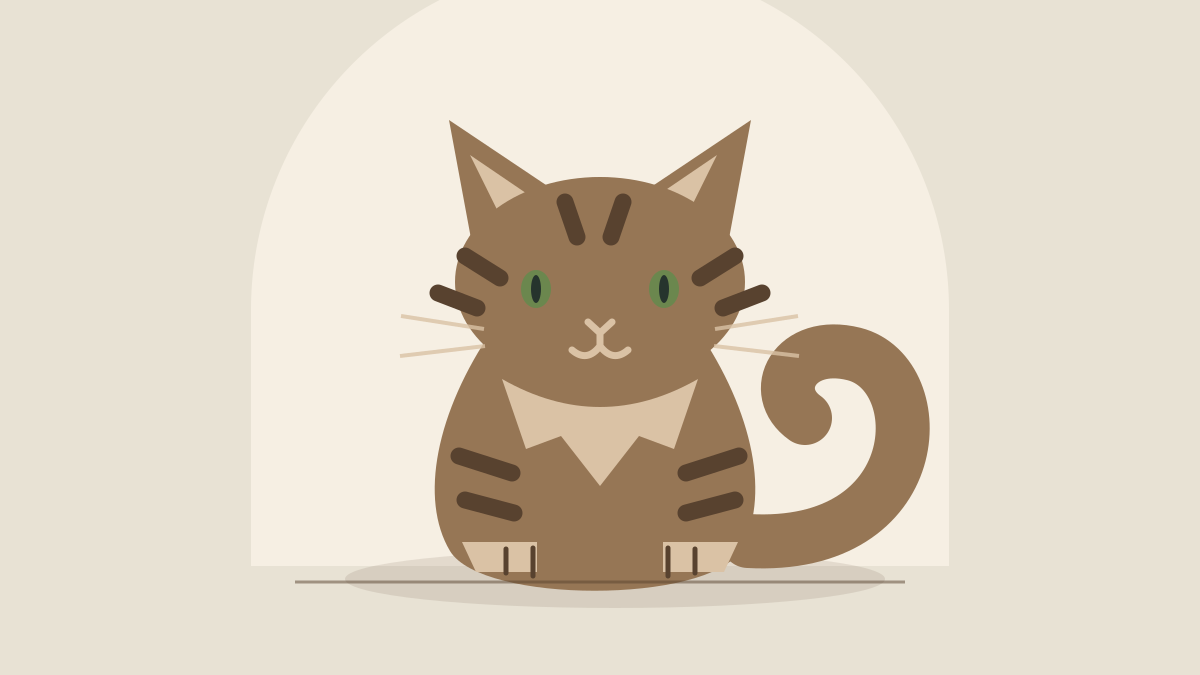
Jianzhou Cat: origin and local history, care and equipment
Jianzhou cats appear in Sichuan local culture, including the “four-eared cat” name. Historical accounts do not establish the anatomy, registration or health of every cat bearing the label today.
Read more
Linqing Lion Cat: origin and local history, care and equipment
Linqing cats are a local population associated with the city’s canal culture. Long coats and odd eyes in some individuals feature in local accounts; a white coat or odd eyes alone do not verify origin.
Read more
Black Cat: coat meaning, care and equipment
Black cat and the Chinese name Xuān Māo describe appearance or cultural associations. A black domestic cat is not automatically a Bombay, and colour does not establish superior health or longevity.
Read more
White Cat: coat meaning, care and equipment
White coats occur in cats of different ancestry. White fur and eye colour alone cannot identify an Angora, Persian or Linqing cat, and eye colour is not a personality label.
Read more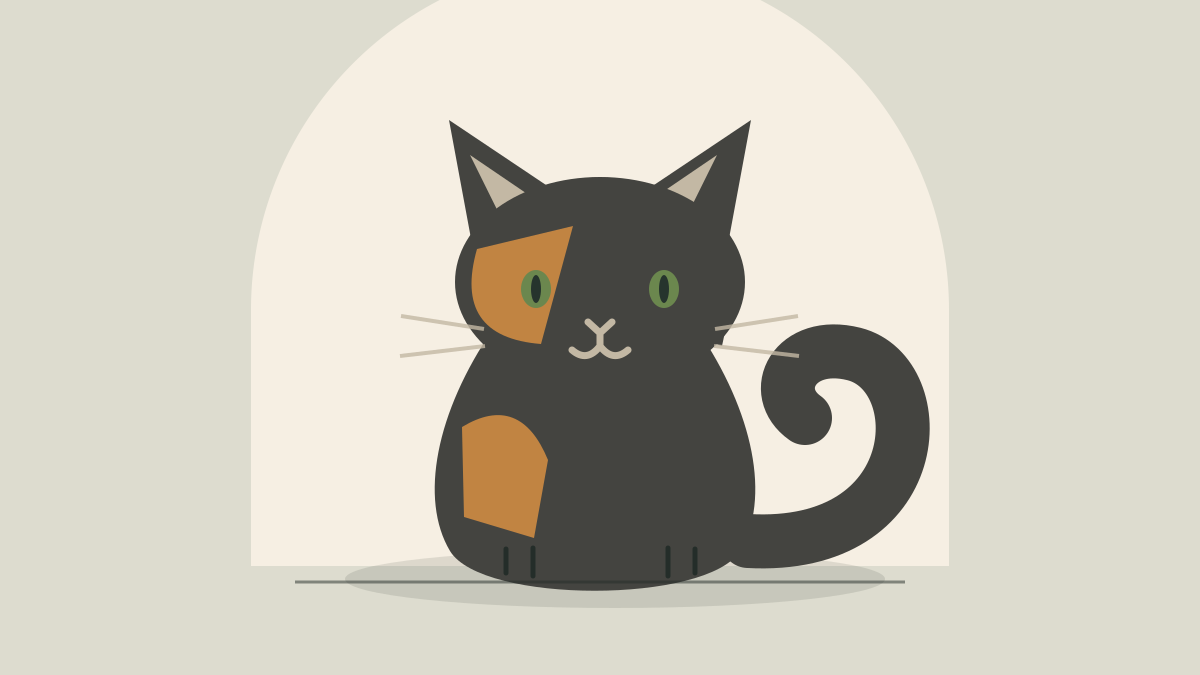
Tortoiseshell: coat meaning, care and equipment
Tortoiseshell describes intermingled orange and dark coat areas, with dilute and white-marked variants. “Tortitude” is a popular expression rather than an individual behaviour assessment.
Read more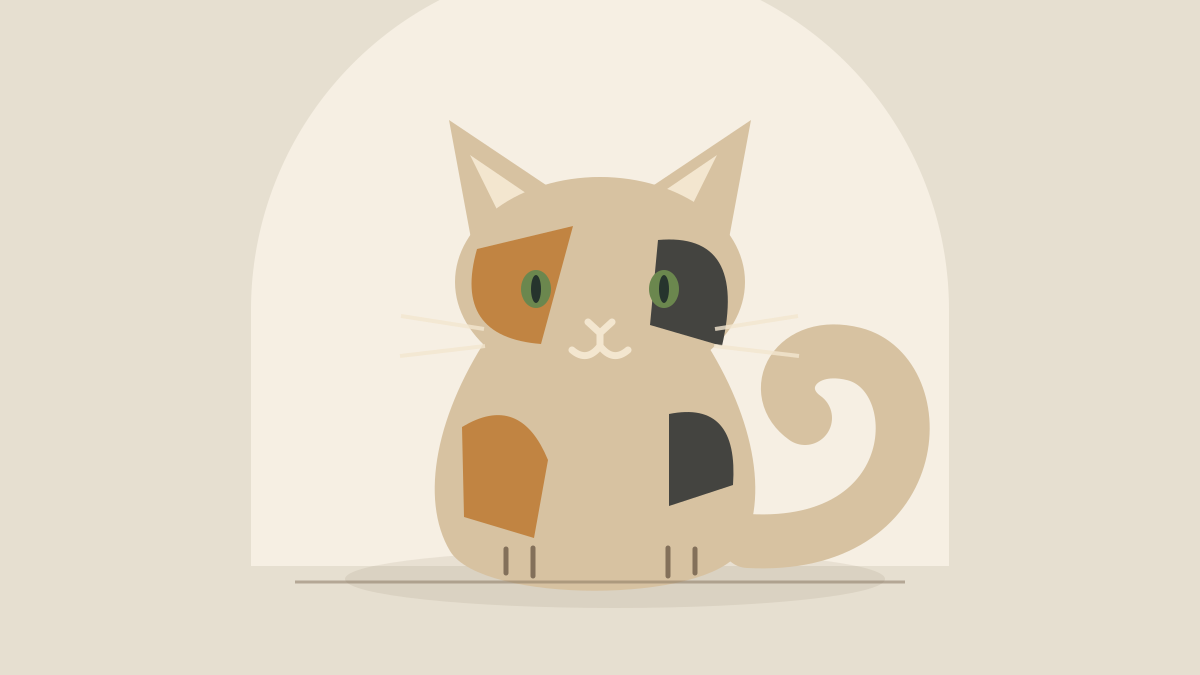
Calico: coat meaning, care and equipment
Calico describes white areas combined with orange and black, including dilute forms. It is related to tortoiseshell colouring but usually has more distinct white areas, and is not a country-specific breed.
Read more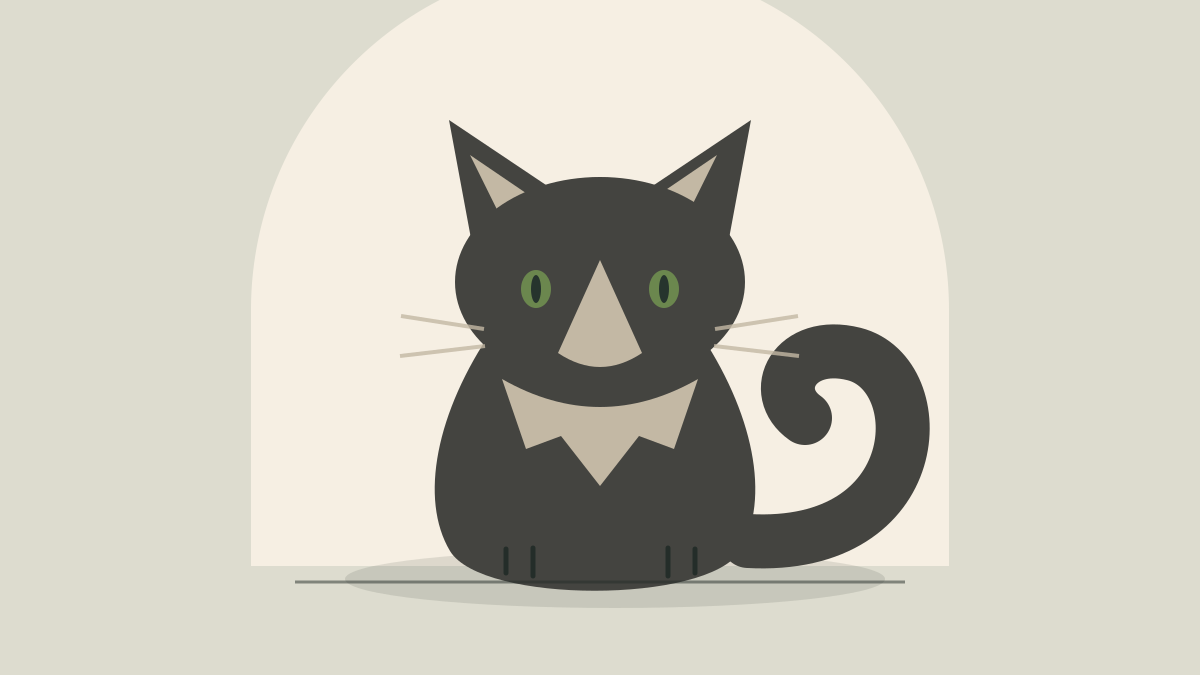
Tuxedo Cat: coat meaning, care and equipment
Black-and-white domestic cats are often nicknamed cow cats in Chinese. Tuxedo describes a suit-like distribution, commonly with a white chest; it is not a pedigree or temperament category.
Read more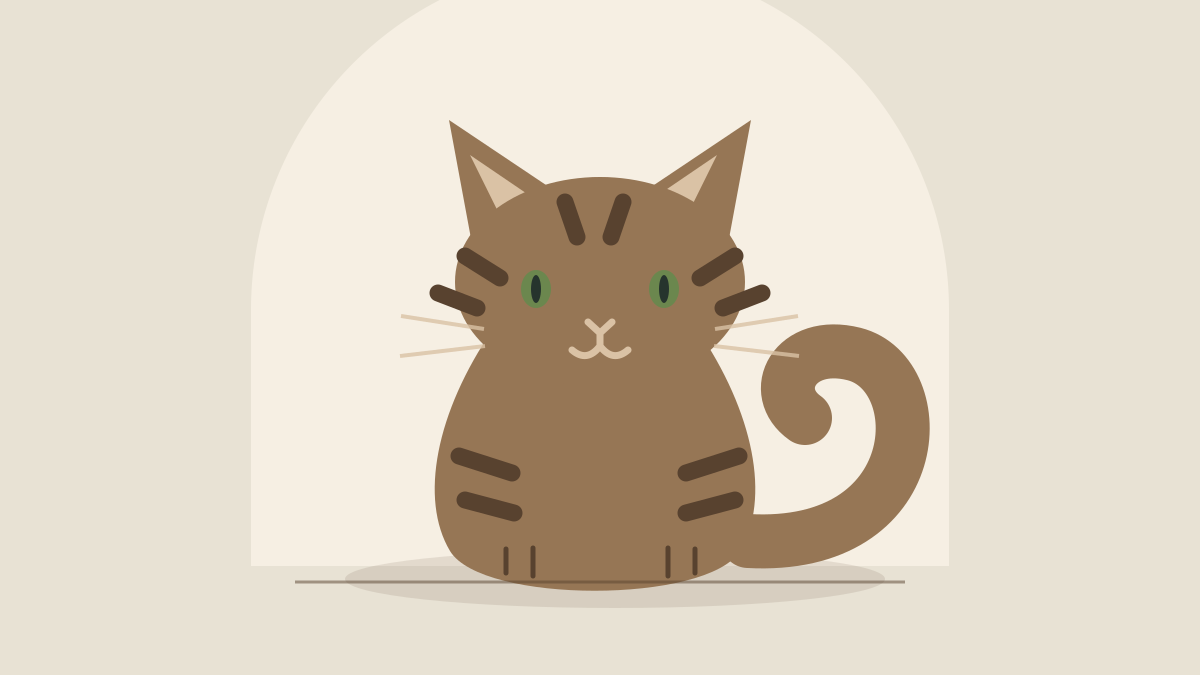
Dragon Li: origin and local history, care and equipment
Lihua commonly describes Chinese brown tabby domestic cats. Chinese Li Hua / Dragon Li has also named registry and breeding projects; a matching coat does not establish registered ancestry.
Read more
Orange tabby cats: coat genetics, weight myths and everyday care
Orange describes a coat colour, not a breed. Explore sex-linked genetics, weight myths, adoption budgets and practical care observations for individual cats.
Read more
Persian: profile and product observations
A stocky longhaired cat with a rounded head and full coat. CFA describes a quiet, affectionate disposition. This overview does not make health or grooming-treatment claims; ask a veterinary professional about individual care concerns.
Read more
Ragdoll: profile and product observations
A large cat with a long coat and pointed colour pattern. CFA describes a gentle, affectionate disposition. Individual behaviour varies, so use actual scratching and resting observations when evaluating a product.
Read more
Maine Coon: profile and product observations
A large, longhaired cat with a substantial frame. CFA describes an easy-going yet active temperament. Measure the individual cat and available space when selecting equipment; the breed name does not establish a product load rating.
Read more
British Shorthair: profile and product observations
A compact, rounded cat with a dense short coat. The CFA profile describes a calm disposition. Coat and body shape are descriptive features; they do not identify pedigree from a photograph.
Read more
Planning scratching resources in a multi-cat home
Look at access and distribution, then build a clear product and placement plan.
Read more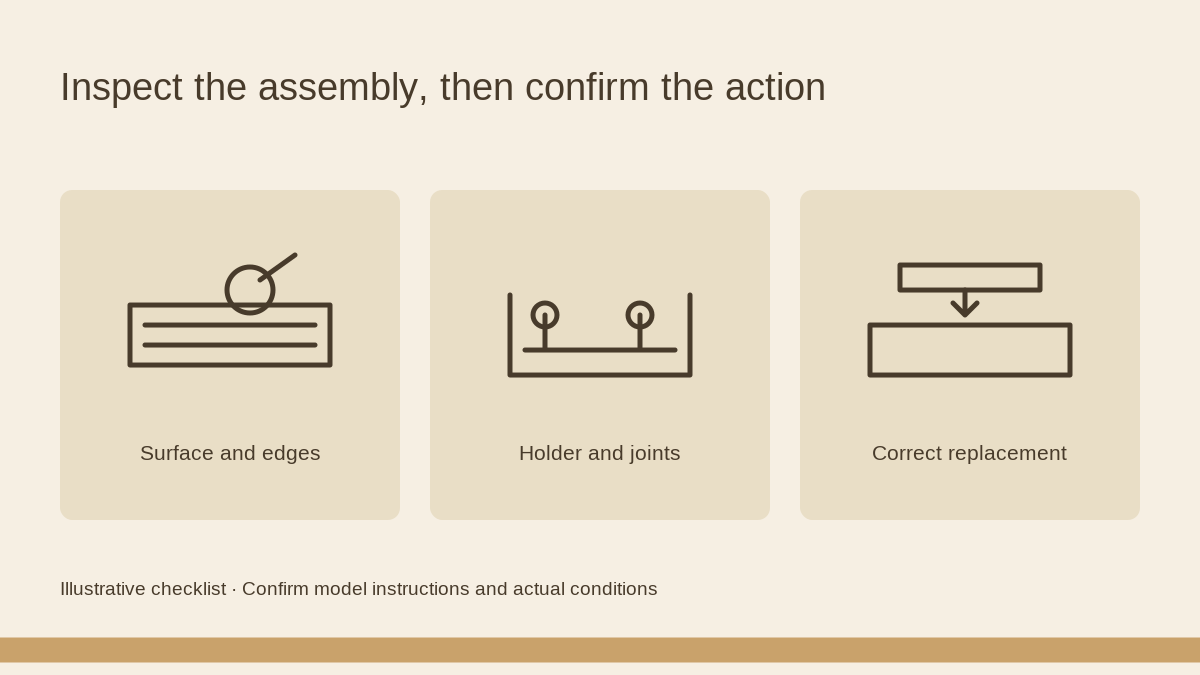
Inspecting and replacing a cardboard scratcher
A condition-based product checklist without an invented replacement interval.
Read more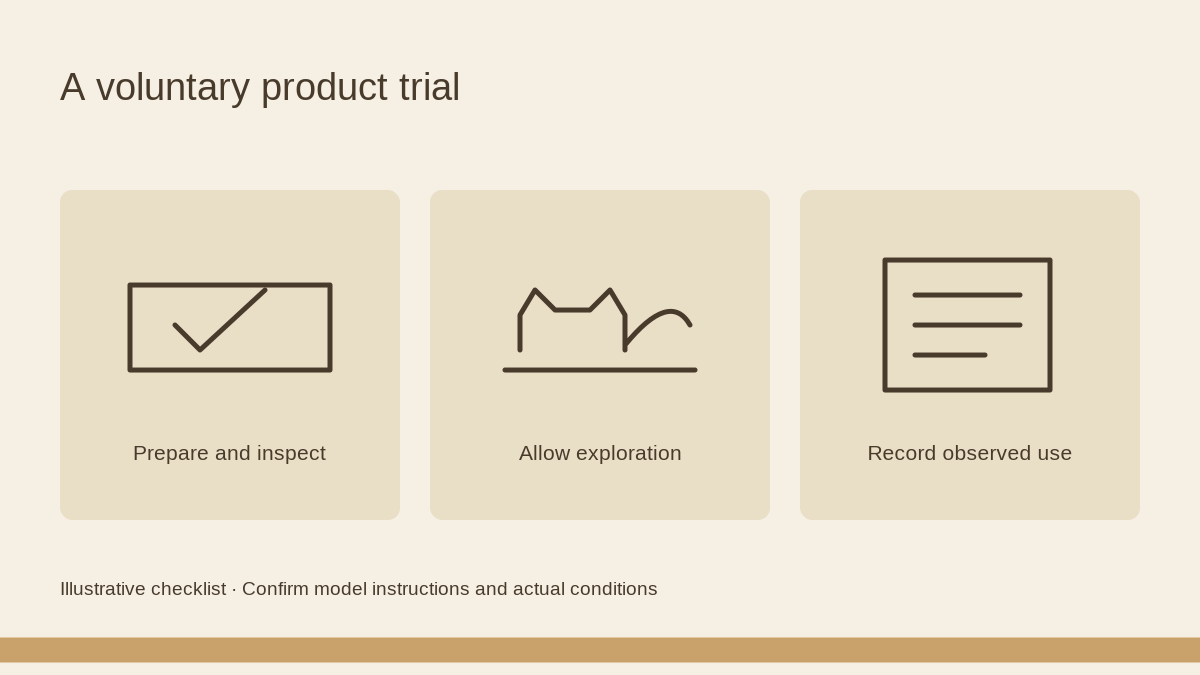
Introducing a new scratching surface
Prepare a voluntary, gradual trial and keep a useful record of the setup.
Read more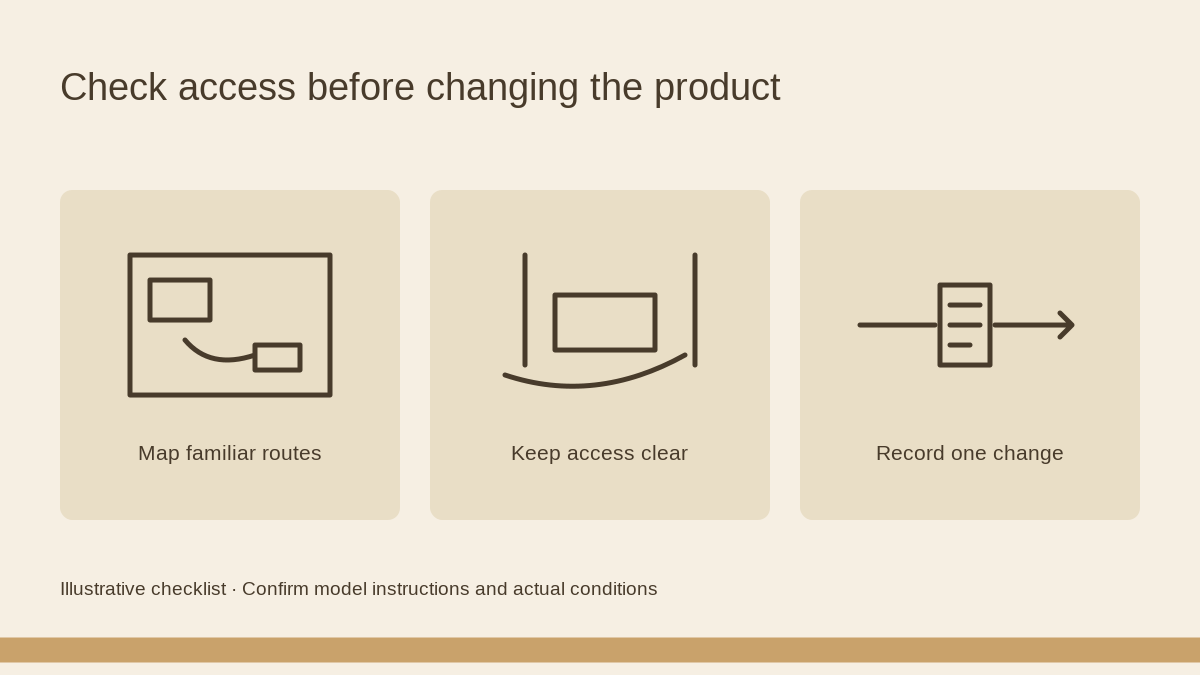
Planning a place for a cat scratcher
Map everyday routes and check the physical setup before deciding that a product is unsuitable.
Read more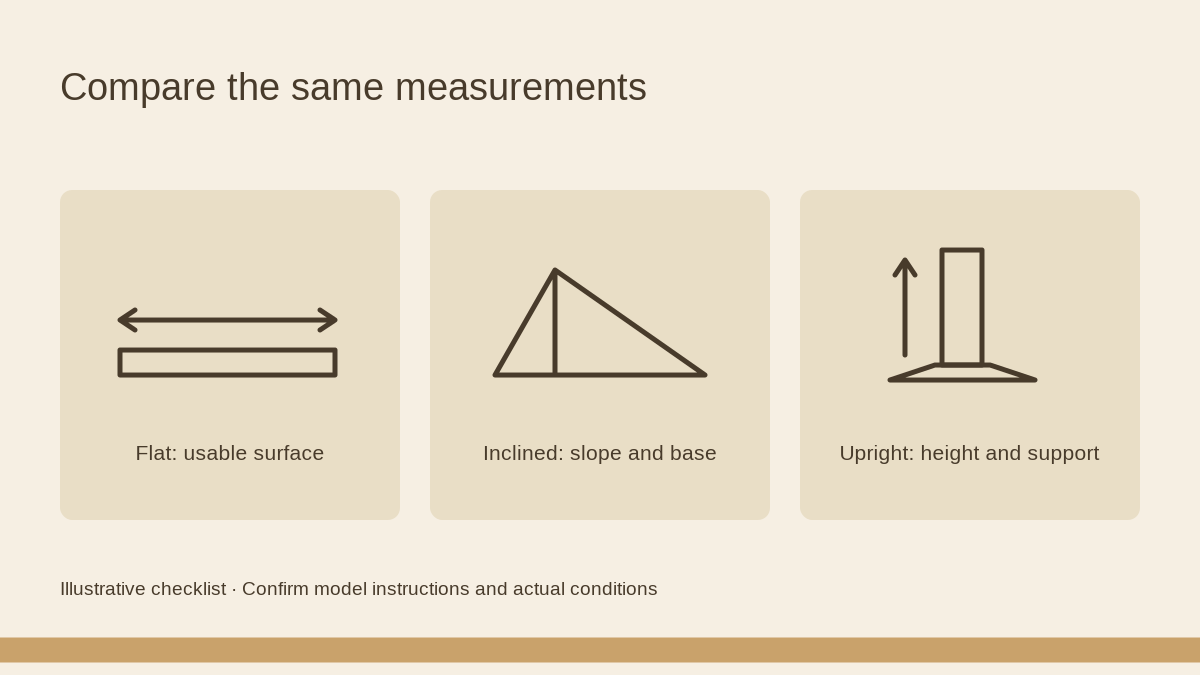
Flat, inclined and upright scratchers: how to compare
A practical comparison sheet for scratching direction, usable surface and placement.
Read more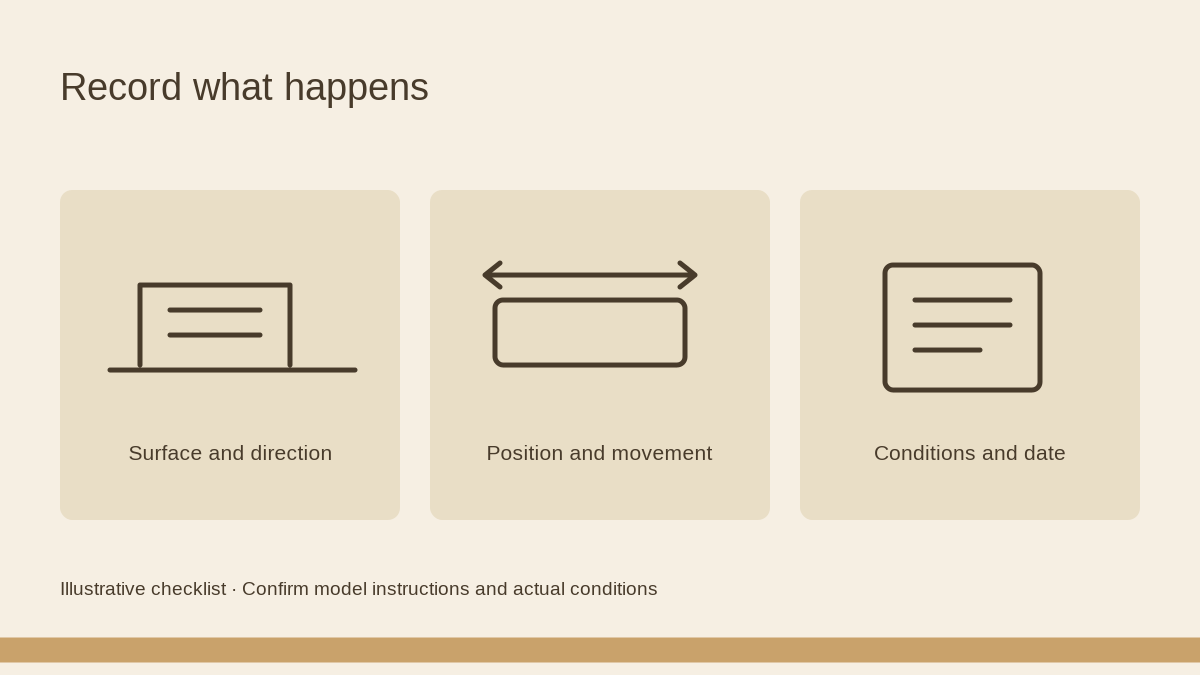
Why cats scratch: an observation guide
Understand the purpose of scratching and record the details that matter when choosing a scratching surface.
Read moreMOQ, lead time and FOB / DDP: how to write an RFQ we can answer in one pass
Put qty, handles, Incoterms and destination on one RFQ. The factory answers by line. No public price list.
Read moreOEM / ODM for cat scratchers: from drawing to container
Relabel, resize or cut a new die — say which path you are on so a 30-day sample-to-bulk plan is honest.
Read moreCorrugated vs sisal scratchers: write the spec, not the slogan
Dust, life, cube weight and OEM feasibility differ. The live catalogue is high-density corrugated; sisal posts are made to order.
Read moreHow to choose a corrugated cat scratcher for wholesale & OEM
Density, flute direction, dust, MOQ and replaceable cores — a factory checklist for importers and private-label brands, not a pet-shop buying guide.
Read more